Low energy availability and REDs: Hormone Disruption Before Amenorrhea in Endurance Athletes
What this article covers:
This article explains:
what low energy availability is
how REDs affects hormones in athletes
early hormone changes before menstrual disruption
why bone health may be affected
signs athletes and coaches should watch for
Endurance athletes often train for many hours each week. Running, cycling and triathlon place substantial energy demands on the body, frequently alongside work, family life and other commitments. Because of this, it can be easy for athletes to under-fuel without realising it.
Low energy availability (LEA) occurs when dietary intake is inadequate to support both training demands and normal physiological function. In LES, the body downregulates ‘non-essential’ processes, such as reproductive hormones - as there is insufficient energy to support these. Low energy availability is recognised as the primary underlying cause of Relative Energy Deficiency in Sport (REDs).
A common misconception is that unless an athlete has lost their menstrual cycle, their hormone function is normal. However, research suggests endocrine changes may begin much earlier and present more subtly, sometimes while menstrual cycles still appear regular. This is broadly termed subclinical ovarian dysfunction, which reflects altered hormone production despite apparently normal menstrual bleeding.
Recognising these early changes is important because REDs can influence both athletic performance and long-term health, particularly bone health which is amongst the earliest processes affected in LEA.
What Is Low Energy Availability?
Energy availability refers to the amount of dietary energy remaining for physiological processes after exercise energy expenditure has been accounted for.
In simplified terms:
Energy availability = energy intake – exercise energy expenditure
The remaining energy must support essential physiological functions including:
hormone production
bone metabolism
immune function
recovery and repair
reproductive function
Evidence suggests optimal physiological function occurs at approximately 45 kcal/kg fat-free mass/day, while energy availability at or below 30 kcal/kg fat-free mass/day is associated with disruption of multiple physiological systems (Mountjoy et al., 2018; Melin et al., 2014).
Importantly, athletes may develop low energy availability without intentionally restricting food intake. Contributing factors may include:
high training volumes
suppressed appetite after exercise
busy schedules affecting meal timing
gastrointestinal symptoms during training
misconceptions around body composition or “race weight”
REDs: A Multi-System Condition
Relative Energy Deficiency in Sport is a syndrome encompassing broader health and performance consequences of, primarily, prolonged low energy availability. Wider training, health and lifestyle stressors are also increasingly recognised to contribute.
Physiological systems affected may include:
reproductive hormones
bone health
metabolic regulation
immune function
cardiovascular health
psychological wellbeing
Menstrual disturbance is one of the most recognised indicators of REDs. However, reproductive hormone disruption often occurs before menstrual cycles become markedly irregular (>35 day cycles), or stop entirely.
This means athletes may continue to experience regular bleeding while underlying hormone function has already changed.
Early Hormonal Changes: Subclinical Ovarian Dysfunction
Subclinical ovarian dysfunction refers to alterations in ovarian hormone production that occur despite ongoing menstrual bleeding.
Two patterns are commonly described.
Anovulatory cycles
Ovulation does not occur during the menstrual cycle.
Despite the absence of ovulation, bleeding may still occur due to fluctuations in oestrogen levels. As a result, athletes may continue to experience monthly bleeding while ovulation is absent.
Altered luteal phase function
Ovulation occurs, but the luteal phase (the phase following ovulation) is characterised by reduced progesterone production or shortened duration.
The luteal phase normally reflects activity of the corpus luteum, which produces progesterone following ovulation. Reduced progesterone exposure may therefore indicate altered ovarian function.
These hormonal changes are thought to arise through disruption of the hypothalamic–pituitary–ovarian (HPO) axis.
Low energy availability may suppress hypothalamic secretion of gonadotropin-releasing hormone (GnRH). This alters secretion of luteinising hormone (LH) and follicle-stimulating hormone (FSH), which regulate ovarian hormone production.
Over time, more obvious menstrual disturbances such as oligomenorrhoea or amenorrhoea may develop if low energy availability persists.
Mechanisms of REDs: What Happens Physiologically?
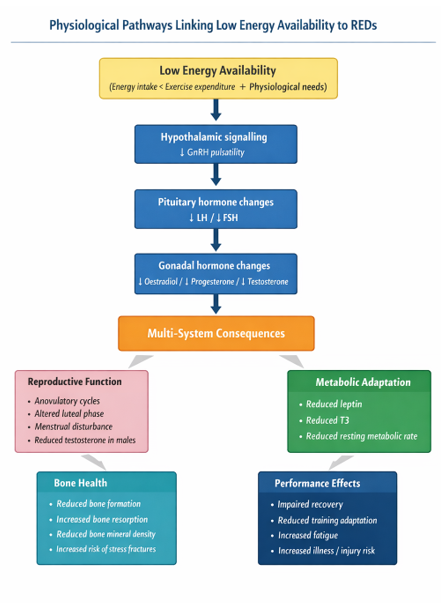
Figure 1. Physiological pathways linking low energy availability to Relative Energy Deficiency in Sport (REDs).
Low energy availability triggers adaptive responses designed to conserve energy and prioritise essential physiological processes.
These responses are coordinated primarily through the hypothalamus, which integrates information about energy status with endocrine regulation.
Reduced energy availability can suppress hypothalamic secretion of GnRH, altering downstream release of LH and FSH from the pituitary gland. This affects hormone production in the ovaries and testes.
In female athletes this may result in:
anovulatory cycles
reduced luteal progesterone production
reduced overall oestradiol exposure
In male athletes, prolonged low energy availability may be associated with reduced testosterone concentrations.
Energy deficiency may also influence several hormones involved in metabolic regulation, including leptin, triiodothyronine (T3) and insulin. These hormonal changes contribute to metabolic adaptation, where the body reduces energy expenditure in response to chronic energy deficit.
Altered reproductive hormones and metabolic signalling may also disrupt the balance between bone formation and bone resorption, increasing the risk of bone stress injuries.
Early Hormone and Bone Effects of Low Energy Availability in Endurance Athletes
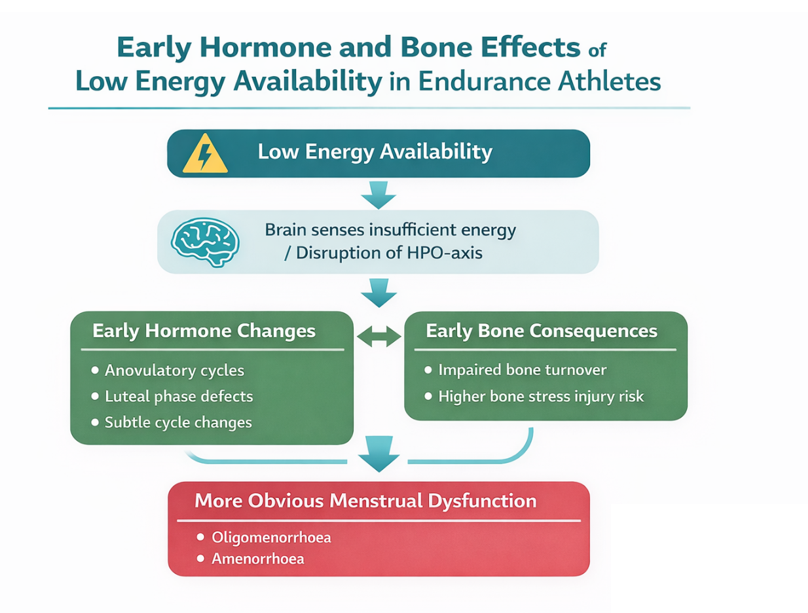
Figure 2: Early hormone and bone effects of low energy availability in endurance athletes
Low energy availability may disrupt hypothalamic signalling and reproductive hormone production. These changes can alter ovulation, reduce progesterone and oestradiol exposure, and influence bone turnover. Over time this may increase the risk of bone stress injuries and other health consequences associated with REDs.
Why Early Hormonal Changes May Not Appear on Blood Tests
Subclinical hormonal disturbances can be difficult to detect using routine blood tests.
Several factors contribute to this.
Hormones fluctuate across the menstrual cycle
Reproductive hormone concentrations vary significantly throughout the cycle. A single blood test may fall within normal reference ranges even when overall hormone exposure across the cycle is reduced.
Ovulation is rarely assessed directly
Routine clinical testing rarely evaluates ovulation. Detecting anovulatory cycles typically requires cycle tracking, serial hormone measurements or ultrasound.
Progesterone testing requires precise timing
Progesterone peaks during the mid-luteal phase. If blood sampling does not coincide with this window, altered luteal hormone production may not be detected.
For this reason, menstrual cycle tracking and symptom patterns can provide useful context alongside laboratory testing.
REDs in Male Athletes
Although early research on REDs focused primarily on female athletes, low energy availability can also affect male athletes.
In males, chronic energy deficiency may influence the hypothalamic–pituitary–gonadal (HPG) axis, potentially resulting in reduced testosterone concentrations.
Testosterone plays important roles in:
muscle protein synthesis
recovery and training adaptation
bone metabolism
red blood cell production
mood and motivation
Some researchers describe this as exercise hypogonadal male condition (EHMC).
Because male athletes do not have a visible marker such as menstrual function, early signs may include fatigue, reduced libido, impaired recovery and plateaued performance. Read more about signs and symptoms of REDs in men and male athletes here.
Why Bone Health Is Often Affected Early
Bone is a metabolically active tissue that continually remodels through processes of bone formation and bone resorption.
Oestrogen and testosterone play important roles in regulating this balance.
Reduced exposure to these hormones, combined with metabolic adaptations associated with energy deficiency, may impair bone formation and increase bone resorption.
In athletes this may increase the risk of:
bone stress injuries
delayed recovery from bone injury
long-term reductions in bone mineral density
Signs That May Suggest Low Energy Availability
Early signs of low energy availability can be subtle.
Athletes may notice:
persistent fatigue
slower recovery between sessions
recurrent illness
reduced training tolerance
plateaued performance despite training
changes in menstrual patterns
These signs do not confirm REDs independently but may indicate that fuelling is not adequately supporting training demands.
Awareness for Coaches, Other Health Care Professionals and Parents
Athletes are often supported by coaches, physiotherapists, medical staff and family members.
Because REDs can develop gradually, these individuals may sometimes notice early warning signs.
Indicators that may warrant further discussion include:
repeated bone stress injuries
unexplained fatigue
declining performance
recurrent illness
changes in mood or motivation
menstrual cycle changes
Creating an environment where athletes feel comfortable discussing fuelling, recovery and health is important for supporting long-term performance and wellbeing.
Athlete Self-Monitoring: Menstrual Cycle Tracking
Tracking menstrual cycles can provide useful insight into hormonal health.
Athletes may consider monitoring:
cycle length
bleeding patterns
ovulation indicators
fatigue and recovery patterns
Apps can help athletes track cycles alongside training. However, it is important to recognise that regular bleeding does not necessarily confirm normal ovulatory cycles, particularly in the context of high training loads and low energy availability.
Frequently Asked Questions About REDs, Low Energy Availability and Amenorrhea
-
Yes. Hormonal disruption may occur before obvious menstrual disturbances. Ovulation may be absent or luteal progesterone production reduced despite regular periods.
-
No. REDs can affect athletes of all sexes, although menstrual function can provide a visible indicator in female athletes which may lead to increased recognition. Awareness in male athletes deserves focus to increase recognition.
-
No. Many athletes develop low energy availability unintentionally due to high training volumes and inadequate fuelling.
-
Yes. Body weight may remain stable even when energy availability is insufficient.
Key Takeaway
Low energy availability and REDs can affect endurance athletes before obvious symptoms appear.
Hormonal changes such as subclinical ovarian dysfunction may occur despite apparently regular menstrual cycles, and prolonged energy deficiency can influence bone health, recovery and performance.
Appropriate fuelling strategies that match training demands are therefore essential not only for performance but also for long-term athlete health.
Author
Rachel Howarth, MSc, RD
Clinical and Sports Performance Dietitian
RJ Performance Nutrition
Rachel Howarth is a HCPC registered and SENr accredited sports dietitian specialising in endurance sport nutrition, Relative Energy Deficiency in Sport (REDs), and female athlete health. Rachel combines expertise in clinical dietetics and sports performance nutrition, allowing her to take a holistic approach to athlete health and performance.
Concerned About REDs or Low Energy Availability?
If you are experiencing persistent fatigue, recurrent injuries, menstrual changes, or difficulty maintaining performance despite consistent training, it may be worth reviewing your fuelling strategies.
Working with a sports dietitian experienced in REDs and endurance sport can help ensure your nutrition supports both performance and long-term health.
If you would like support with:
• fuelling for endurance training
• recovery nutrition
• REDs risk or low energy availability
• race nutrition strategies
you can learn more about working with Rachel at RJ Performance Nutrition.
or